
Bone Grafting Staten Island
A Sturdy Foundation for Your New Smile
Dental implants are a remarkably strong form of tooth replacement. However, in order for them to succeed, they need to be anchored securely in your jawbone. That means the bone must be healthy enough and large enough to integrate with the implants. If your jaw is not quite ready to support your new smile, our Staten Island team may recommend that you undergo a bone grafting procedure. Continue reading below to learn more about this form of oral surgery, or contact us directly to set up your consultation.
What Is Bone Grafting?
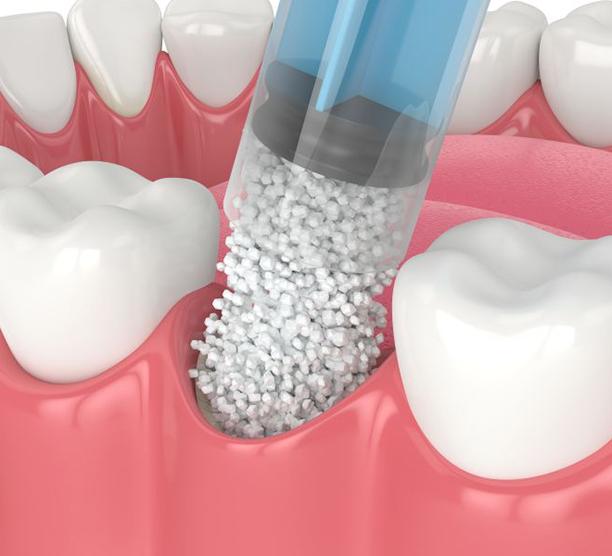
Dental bone grafting is a type of oral surgery that is used to enlarge and strengthen the jawbone. There are multiple specific procedures that can properly be referred to as bone grafting, but they all adhere to the same basic concept.
During the surgery, we make an incision in the gums to expose the underlying bone. Then, we place bone material at the location where the jaw requires fortification. The material may be synthetic, or it may come from another source. For example, it could be specially processed donor bone, animal bone, or even bone from your own body.
After the graft is in place, we close any incisions. During the healing process, your body should integrate the grafted material, resulting in a jawbone that is better equipped to support dental implants.
Bone Grafting After Tooth Loss

Bone loss in the jaw can occur for a number of reasons. For example, advanced gum disease can cause significant bone damage. Also, after a tooth is lost, the jawbone naturally starts to deteriorate. Most of the deterioration happens within the first year or so after the tooth is removed. This natural process, known as resorption, occurs because there is no longer a tooth root in place to stimulate the surrounding portion of the jawbone.
Regardless of why your jawbone has shrunk, it is important to pursue bone grafting as soon as you can. The earlier you receive care, the less extensive the grafting procedure is likely to be.
Bone Grafting After Tooth Extraction
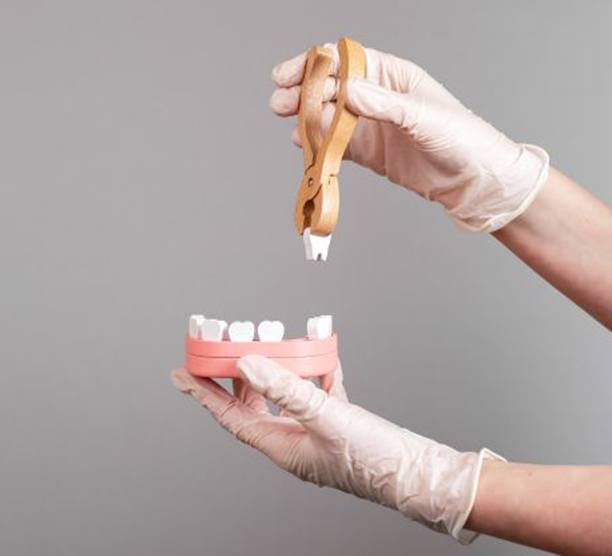
Jawbone loss can also occur after tooth extractions performed in a dental office. In order to preserve the bone, we might recommend a graft as a preventive measure. For example, we may place a small graft into the lost tooth’s socket right away after the extraction. This helps prepare the site for a future dental implant and plays a role in preserving the natural contours of your face.
What Are the Benefits of Bone Grafting?

Dental bone grafting offers a number of benefits:
- It fortifies the jawbone so it can support dental implants. In turn, the implants can prevent future jawbone loss.
- It supports natural facial contours. As the jawbone shrink, it can change the shape of your face. Bone grafting may prevent this issue, which is known as facial collapse.
- It can prepare your mouth for other types of restorations. In addition to being beneficial for implant procedures, bone grafting may also make you a better candidate for traditional forms of tooth replacement, such as a bridge or denture.